Open 24/7, Monday to Sunday | Serving Chicago since 2017(872) 291-5778
Ronan Dumpster RentalDumpster Rental Chicago, IL
Dumpster Rental Chicago, IL

Local debris service

Dumpster Rental Chicago, IL

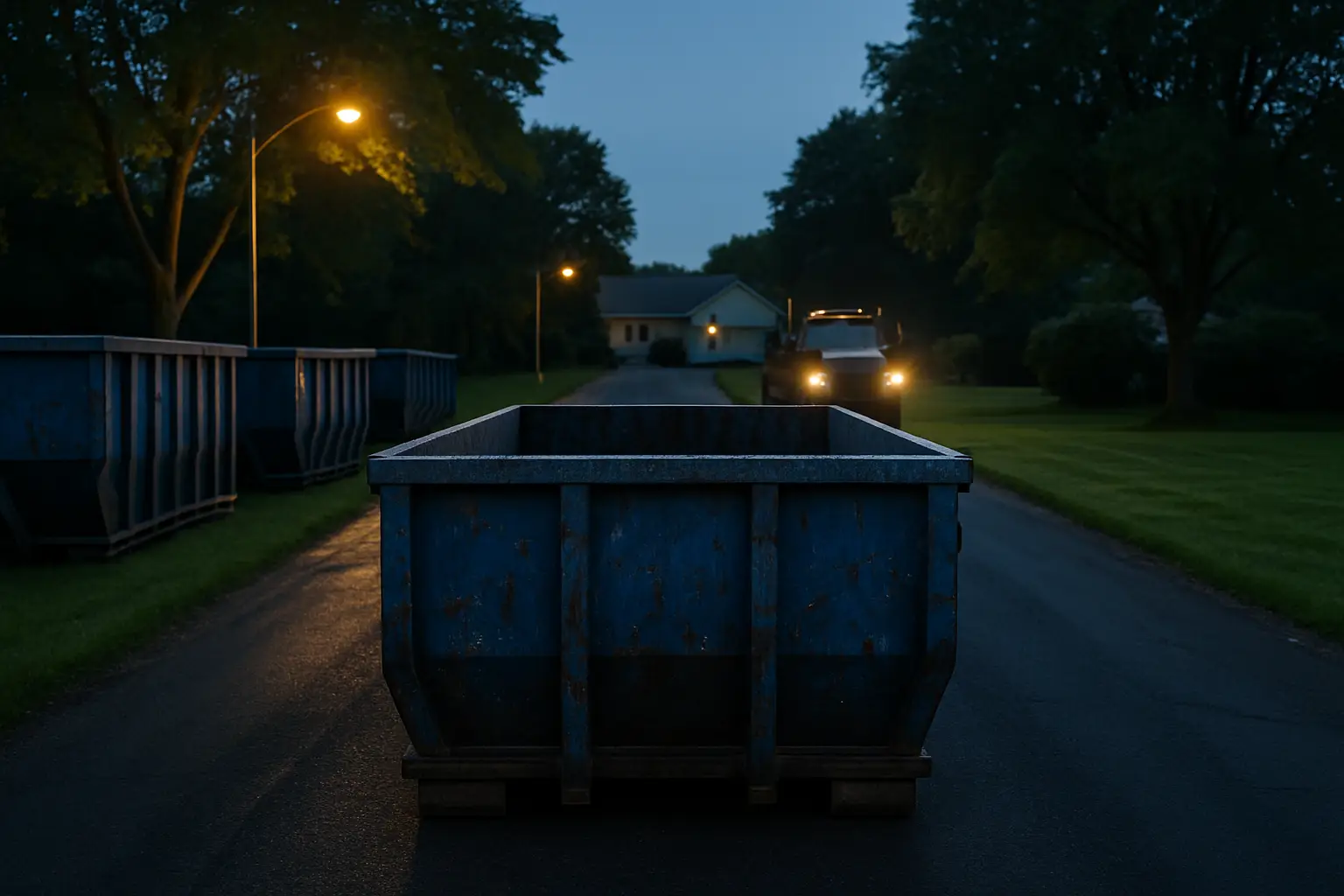
Ronan Dumpster Rental confirms placement, access, and overhead clearance before delivery, with practical guidance on the right container size.

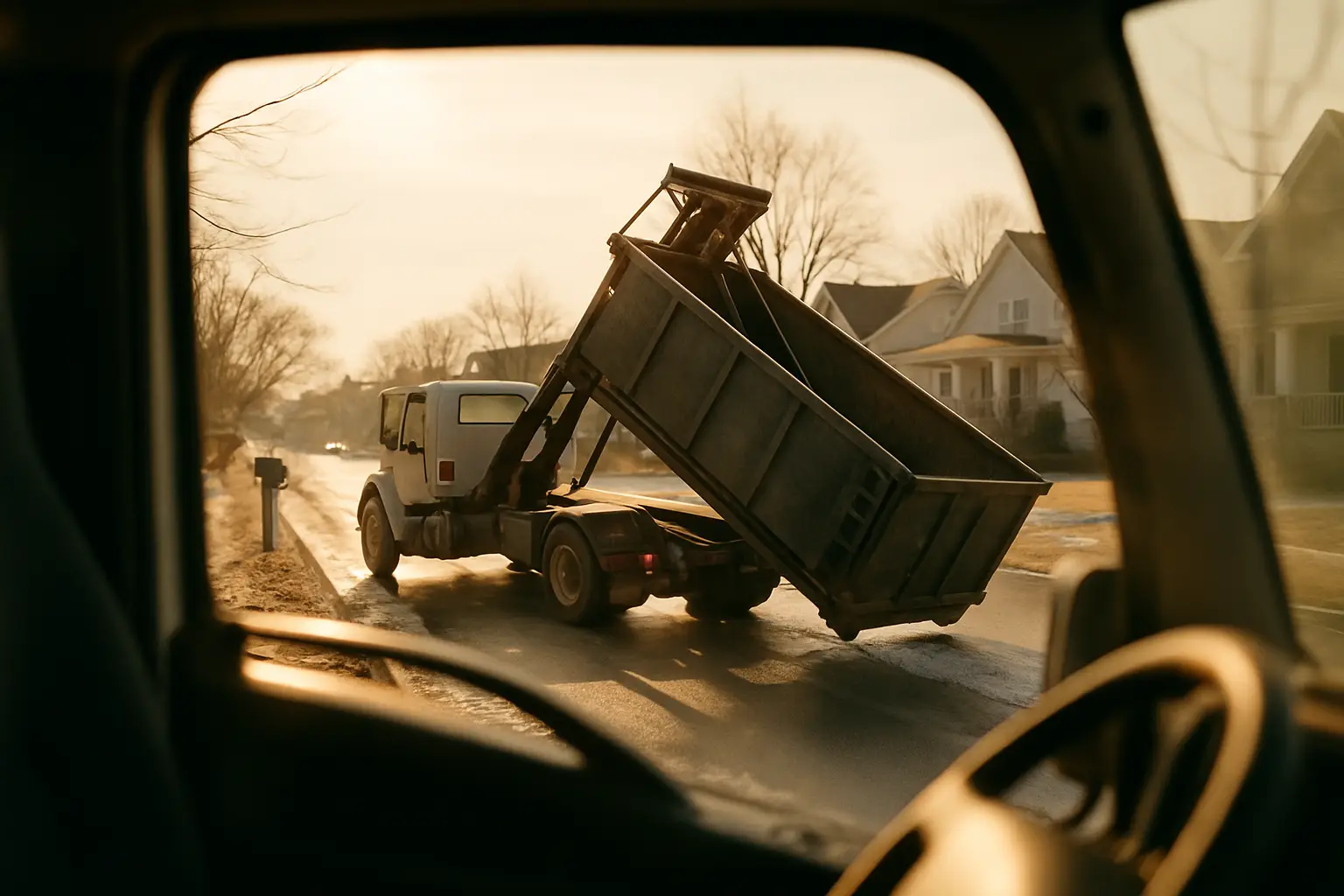
Dumpster Rental Chicago, IL gives Ronan Dumpster Rental a clear way to handle renovation debris, household cleanouts, roofing material, and commercial waste. We help match the container to the material and the property, then plan delivery around actual access conditions. Service is available 24/7, Monday to Sunday.

  • Open 24/7, Monday to Sunday
  • Serving Cook County

Project-based options

Chicago dumpster service for real job conditions

The useful container is the one that fits the debris, the access route, and the place where it will sit. These options cover common residential, roofing, yard, and commercial work without forcing every project into the largest tier.

  • Residential Cleanout Dumpsters

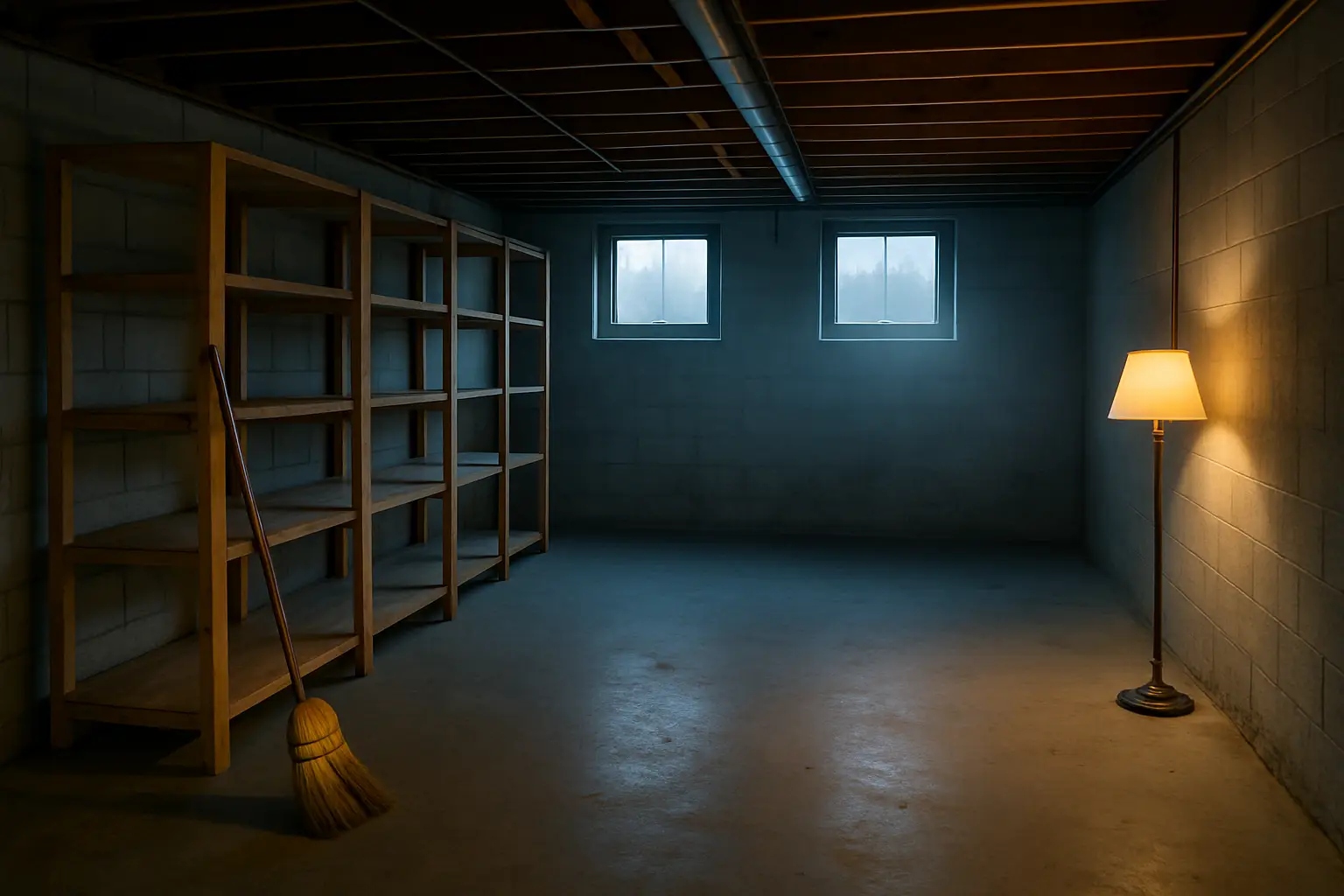
    Use a residential cleanout container for basement sorting, attic contents, furniture, appliances, and general household debris. We can discuss narrow driveways, alley access, shared parking areas, and whether the loading plan leaves room for people to work safely around the container.

    Household projects
  • Moving and Estate Cleanout Dumpsters

    Moving and estate work often produces bulky furniture, boxes, shelving, mattresses, and mixed household material at once. A container keeps the property from becoming a second staging area, while a pre-delivery access check helps account for Chicago alleys, curb space, and multi-unit entrances.

    Move-out debris
  • Home Renovation Dumpsters

    Bathroom, flooring, kitchen, and interior renovation debris can include cabinets, drywall, tile, lumber, and packaging. Tell us which materials are involved before delivery. Dense tile, plaster, and masonry may call for a different loading approach than a container filled with lighter framing and fixtures.

    Remodeling work
  • Yard Waste Dumpsters

    Yard cleanup can involve branches, brush, sod, soil, fencing, and old landscaping materials. Separate material types when possible and describe the load before scheduling. Chicago lots vary from compact rear yards to long side drives, so the truck route and ground condition matter as much as volume.

    Outdoor cleanup
  • Roofing Dumpster Rental

    Roof replacement creates dense shingle waste that needs room for workers to load safely without tossing material onto the surrounding property. Place the container where tear-off crews can reach it, but keep driveways, garage doors, utility access, and overhead obstructions in the delivery discussion.

    Roofing debris
  • Concrete and Heavy Debris Dumpsters

    Concrete, brick, stone, dirt, and plaster require special attention because weight becomes the limiting factor. A smaller container may be the safer and more economical fit. Describe the material, thickness, and approximate source area so the loading plan does not depend on how full the container appears.

    Heavy material
  • Same-Day Dumpster Delivery

    Same-day delivery may work when a driver, container, route, and safe placement are available, but it should never be treated as an automatic promise. Have the address, material type, access details, and preferred placement ready. A short driveway with blocked access can still prevent a safe drop.

    Urgent cleanup
  • Commercial Construction Dumpsters

    Commercial work needs a container plan that accounts for changing debris streams, contractor access, pedestrian movement, and pickup coordination. We discuss the site entrance, staging area, loading equipment, and material restrictions before dispatch so the container supports production instead of interfering with it.

    Jobsite support
  • Recurring Commercial Dumpster Service

    Recurring service can suit retailers, property managers, contractors, and facilities that generate regular debris. The useful schedule depends on the material, available staging space, access hours, and how quickly the container fills. Explain the site routine so pickups do not interrupt deliveries or block working areas.

    Ongoing service

Local operating knowledge

Chicago projects need more than a box

Ronan Dumpster Rental works around the conditions that make Chicago deliveries different from a simple drop on an open suburban drive. Narrow side streets, parked cars, alley approaches, shared driveways, older foundations, overhead wires, and winter-damaged pavement can all affect where a container belongs. We ask about the property before dispatch, not after the truck arrives. That conversation helps prevent a container from blocking a garage, sitting across a soft surface, or creating a clearance problem beside a two-flat. Licensed, bonded and insured, Ronan Dumpster Rental has served the area since 2017 with a practical focus on access, material type, and safe placement.

4170 + containers delivered reflects experience across the kinds of work Chicago property owners actually start: apartment cleanouts, kitchen renovations, roofing jobs, basement work, garage sorting, commercial buildouts, and storm-related debris. The right answer is not always the largest container. Heavy concrete, brick, plaster, shingles, and soil can reach a safe loading limit before the container looks full, while bulky furniture and light demolition debris need more room. Ronan Dumpster Rental explains that distinction plainly, helps identify restricted materials before loading begins, and coordinates the pickup around the site. Availability is 24/7, Monday to Sunday, so a project can be discussed when the property manager, contractor, or homeowner has the details ready.
Placement planning

Where a Chicago container can safely sit

A Chicago container usually belongs on private property when a driveway, parking pad, side yard, or construction staging area can support it. The placement must leave access to garages, doors, utility equipment, and neighboring property. A public street introduces a different issue: a container occupying roadway or curb space usually needs town or city permission first, and the customer should confirm what applies before delivery. Do not assume a narrow alley is automatically usable. The truck needs a clear approach, enough width to line up, overhead clearance for the equipment, and room to set the container down without striking branches, wires, walls, parked cars, or gates. Shared drives and two-flat lots require agreement about access before the scheduled placement.

Chicago weather can change the ground beneath a good-looking placement. Spring rain, freeze and thaw cycles, standing water, and damaged pavement can make a soft shoulder or patched alley unsuitable for concentrated weight. A driver may need a firmer surface or a different position if the planned spot cannot support the equipment safely. Keep cars out of the approach, unlock gates, trim or identify low branches, and tell dispatch about slopes or recent paving. Protecting a driveway may involve boards or another placement method, but the surface still needs to be suitable. If the only available location is a public curb, a narrow rear alley, or shared private ground, explain that before the route is assigned so the placement plan is based on actual conditions.

keyPoints:[

Size and weight

How Chicago homes change the size decision

Chicago housing stock creates very different debris patterns from one block to the next. Older frame homes, brick two-flats, greystones, courtyard buildings, bungalows, and newer renovations do not produce the same material or offer the same access. A basement remodel may generate dense masonry, plaster, flooring, and old fixtures through a narrow stairway. A kitchen renovation may include cabinets, drywall, tile, appliances, and packaging. A roofing job produces a large amount of shingles in a short period. Newer commercial or multi-unit work may have heavier framing and demolition debris that needs coordinated loading. The visible pile size can mislead, especially when brick, concrete, soil, or plaster is involved. Describe the material before choosing capacity.

For light household contents, bulky furniture, cardboard, trim, and mixed renovation waste, a larger container may be useful because air space disappears quickly. Heavy materials need a different conversation. Concrete, brick, dirt, and roofing shingles can reach a safe weight limit before the container looks full, so filling it to the rim is not the goal. Chicago's tight lots also make height and access relevant: a tall pile may interfere with loading or create a problem beside a low garage or overhead line. Separate heavy material when possible, keep debris below the top edge, and tell us whether workers will use wheelbarrows, carts, chutes, or equipment. The right choice balances volume, weight, route, and placement.

keyPoints:[

Related site needs

Some projects need a different waste plan

How the job starts

A clear plan prevents delivery problems

  1. Describe the project

    Start with the address, project type, debris material, and the point where you want the container placed. Mention whether the property is a single-family home, two-flat, apartment building, storefront, or active construction site. Those details shape the next questions.

  2. Review the material

    Not every load behaves the same way. Roofing shingles, drywall, furniture, brush, concrete, brick, soil, and mixed renovation debris each affect size and safe weight. We identify restricted materials early and explain when a heavy load needs a more cautious plan.

  3. Check the route

    The truck needs a usable approach, enough turning room, and a placement area that can support the container. We discuss parked cars, alley width, gates, wires, trees, low branches, garage doors, slopes, and surfaces that could be damaged by concentrated weight.

  4. Confirm the placement

    Pre-delivery driveway checks confirm placement, access, and overhead clearance before delivery. The goal is a container location that leaves the property usable and gives the driver a safe path. If the preferred spot will not work, we discuss a practical alternative before dispatch.

  5. Coordinate loading and pickup

    Load evenly, keep material below the top edge, and avoid placing prohibited items inside. Keep the approach clear for pickup and tell us about changes at the property. Pickup planning depends on the load, access, and project schedule, not on a generic promise.

Why the details matter

Practical decisions save trouble later

  1. The driveway gets evaluated first

    A container can fit by dimensions and still be a poor placement choice. Chicago driveways may be narrow, shared, sloped, patched, or crossed by overhead lines. Ronan Dumpster Rental checks the approach, placement area, and clearance details before delivery so the truck is not forced into a last-minute position that blocks a garage or creates avoidable surface damage.

  2. Material changes the container choice

    A full container is not automatically a properly loaded container. Brick, concrete, soil, plaster, and shingles become heavy quickly, while furniture, cardboard, and light framing consume space. We ask what the project is removing, then explain when a smaller size, different loading method, or separate handling plan makes more sense than simply ordering more capacity.

  3. The schedule follows site reality

    Ronan Dumpster Rental is available 24/7, Monday to Sunday, but availability does not mean every delivery can happen at any requested moment. A blocked alley, parked vehicle, active crew, locked gate, or unsafe surface can change the plan. Sharing those conditions early gives dispatch useful information and reduces wasted trips, rescheduling, and work stoppage.

Working standards

What customers should expect from the crew

  • Every delivery starts with a discussion of material, access, placement, and clearance.
  • Drivers need a clear approach that does not depend on moving parked vehicles.
  • Heavy debris should be described before anyone chooses a container size.
  • Keep the load below the top edge and distribute dense material carefully.
  • Never place prohibited materials inside without confirming an acceptable handling plan.
  • Property managers should explain gates, alley access, tenant traffic, and restricted delivery areas.
  • Winter ice, thawing ground, and wet pavement can change a safe placement decision.
  • Pickup works best when the approach remains clear and the container stays accessible.

Common questions

Answers before you schedule the work

How much does dumpster rental cost in Chicago?

Dumpster rental cost depends on container size, material type, delivery access, rental timing, pickup needs, and placement conditions. Heavy debris may require a different plan than light household waste, and a difficult alley or restricted street position can affect coordination. Describe the project address, debris, preferred location, and expected loading period so the estimate reflects the actual job rather than a generic size.

What dumpster size do I need for a home renovation?

The right size depends on the renovation materials and how bulky or dense they are. A bathroom or flooring project may fit a smaller container, while a kitchen remodel, roofing job, or major demolition can need more capacity. Concrete, brick, plaster, soil, and shingles reach weight limits quickly. List the rooms, materials, and access route so the recommendation accounts for both volume and safe loading.

Can a dumpster go in my Chicago driveway?

A dumpster can often sit in a Chicago driveway when the surface, approach, clearance, and placement area can support delivery. The location should not block a garage, door, utility equipment, or required access. Tell us about driveway width, slope, gates, overhead wires, parked cars, and shared use. Clear the route before delivery and discuss any surface protection concerns in advance.

Can I put a dumpster on a Chicago street?

A container placed on a public Chicago street or curb usually requires permission or a street-use arrangement before delivery. Requirements can depend on the location and how the container affects traffic, parking, sidewalks, and nearby access. Do not reserve a street position based on assumption alone. Identify the exact placement area and confirm what authorization applies before dispatch.

What can I put in a dumpster?

Commonly accepted materials include household contents, furniture, cardboard, wood, drywall, roofing debris, flooring, and many renovation materials, subject to the load plan. Liquids, hazardous substances, certain appliances, tires, batteries, and other restricted items may require separate handling. Tell us every unusual material before loading. Keep accepted debris below the rim and separate anything you have not already confirmed.

How quickly can a dumpster be delivered?

Delivery timing depends on container availability, route planning, placement safety, access conditions, and the requested schedule. Same-day service may be possible, but it cannot be promised when a truck cannot safely reach or place the container. Provide the address, preferred location, project material, gate or alley details, and any deadline so dispatch can evaluate the request honestly.

Do I need to be home for dumpster delivery?

You may not need to be home if the placement area is clearly identified, accessible, and free of vehicles, gates, people, and overhead obstructions. Someone should still provide accurate instructions for a shared lot, apartment property, commercial site, or restricted alley. Send clear placement details through the scheduling conversation and make sure the driver can reach the approved location without waiting for access.

How do I prepare my property for a dumpster?

Prepare by choosing a firm placement area, clearing vehicles and equipment, unlocking gates, checking overhead clearance, and protecting access to doors, garages, utilities, and neighboring property. Chicago freeze and thaw, rain, soft shoulders, and crowded alleys can change the safest position. Keep the route open, tell us about slopes or shared drives, and have the material list ready before delivery.

Plan the placement

Bring the project details to the conversation

Ronan Dumpster Rental can sort through container size, material, access, placement, and pickup planning with you. Service is available 24/7, Monday to Sunday. The more specific the property details are, the less likely the delivery plan is to change after the truck is already assigned.

Phone

(872) 291-5778

The conversation covers your address, debris type, container size, placement conditions, delivery coordination, and pickup needs.

Availability

24/7
Monday to Sunday, day and night

Have this ready

  • Project address
  • Debris materials
  • Preferred placement
  • Access restrictions

Where we work

Chicago, plus Cicero, Berwyn, Oak Park, Forest Park, Elmwood Park, Evanston, Skokie, Norridge, Oak Lawn and Blue Island.

See the full service area list

Get the right container before cleanup starts

Describe the work, the material, and the place where the container must sit. Ronan Dumpster Rental will help you weigh capacity against access, ground conditions, clearance, and the way your crew plans to load.

Click Here to Call(872) 291-5778

Chicago service area

Dumpster support across Chicago and nearby communities

Ronan Dumpster Rental provides project planning for Chicago properties and nearby service areas, with attention to alleys, compact lots, shared driveways, commercial corridors, and older housing stock. Coverage includes Chicago, Cicero, Berwyn, Oak Park, Forest Park, Elmwood Park, Evanston, Skokie, Norridge, Oak Lawn, and Blue Island. Availability is 24/7, Monday to Sunday, subject to safe access and placement.

],

neighborhoods:[

neighborhoods

Logan SquarePortage ParkBeverlyBridgeportLincoln ParkSouth Shore

Dumpster Rental in nearby towns

Click Here to Call(872) 291-5778